


The routing mistake most travelers do not see until day four;
Most East Africa safari plans begin with a map. That is normal. Travelers circle Maasai Mara (Kenya), Amboseli (Kenya), Serengeti (Tanzania), Ndutu (Tanzania), Samburu (Kenya), Ngorongoro, and maybe one lake system, then ask how many can fit into their dates. The plan looks impressive, and in many cases it is expensive. Yet by the middle of the trip, energy drops, timing slips, and field quality softens.
In our 15 years of field operation across East Africa, we see this mistake most often in ambitious first drafts built around geography alone. The wildlife destinations are excellent. The problem is route physiology. Travelers underestimate how quickly repeated transfers, early starts without recovery, and constant repacking reduce attention in the exact hours that matter most.
In real safari planning, route quality usually means protecting human energy so dawn and dusk sessions remain strong across the full trip. A strong safari is not defined by one dramatic sighting, but by repeated high-quality field sessions.
A clear definition that improves route decisions
In field terms, a high-performing route is less about total distance and more about sustainable session output. If your group cannot stay alert, patient, and responsive during prime windows, destination quality alone cannot save the itinerary.
At Bobu Africa, we usually treat three nights in one primary ecosystem as the practical baseline for reliable safari performance. Three nights usually means six prime field sessions. One transfer day often costs two prime wildlife windows.
These two planning rules explain why many shorter, slower routes outperform faster, broader circuits.
What energy means in safari logistics?
Energy is not only physical stamina. It is a combined system:
– sleep quality after early starts
– cognitive focus for tracking and observation
– emotional patience during quieter sessions
– recovery between high-output drives
– flexibility when weather or wildlife shifts the plan
When this system is stable, guides can work at a much higher level with guests. When it collapses, even excellent sightings feel rushed or oddly flat.
Why map-heavy itineraries underperform?
A map-heavy itinerary often creates three silent losses.
Loss one: timing erosion
Every move consumes more than travel time. It also steals setup time, reset time, and the mental readiness needed at first light. Travelers arrive in camp later than expected, sleep shorter, then repeat.
Loss two: guide continuity loss
When routes move too fast, guide continuity often weakens. New guide, new area, new patterns, new group rhythm. Valuable learning loops reset repeatedly.
Loss three: observation depth loss
Fast routes produce sightings. Slower routes produce understanding. Returning to the same territory over multiple sessions reveals movement patterns, territorial overlap, and activity timing that one-pass schedules miss.
Trade-off logic is simple. More destinations increase variety on paper, but fewer destinations increase quality per day.

The energy curve model for East Africa routes
Think in three route phases instead of a park checklist.
Phase one: adaptation
First two days are about acclimating to pace, light, and early departures. This is where many plans fail by stacking long transfers too early.
Phase two: performance
Middle days should carry your strongest wildlife output. This requires stable sleep, consistent guide rhythm, and minimal transfer drag.
Phase three: finish quality
Final days should still feel sharp, not depleted. A good route protects enough energy to end strong rather than simply endure.
If phase three is weak, the itinerary was overpacked even if all headline parks were visited.

Kenya and Tanzania through the energy lens
Maasai Mara (Kenya)
Function in route design:
– high-density predator and plains sessions
– excellent anchor for repeated high-quality drives
– strong guide infrastructure in many zones
Energy note:
Mara rewards three to four nights. In the Mara ecosystem, location matters more than room glamour when field hours are limited.
Amboseli (Kenya)
Function in route design:
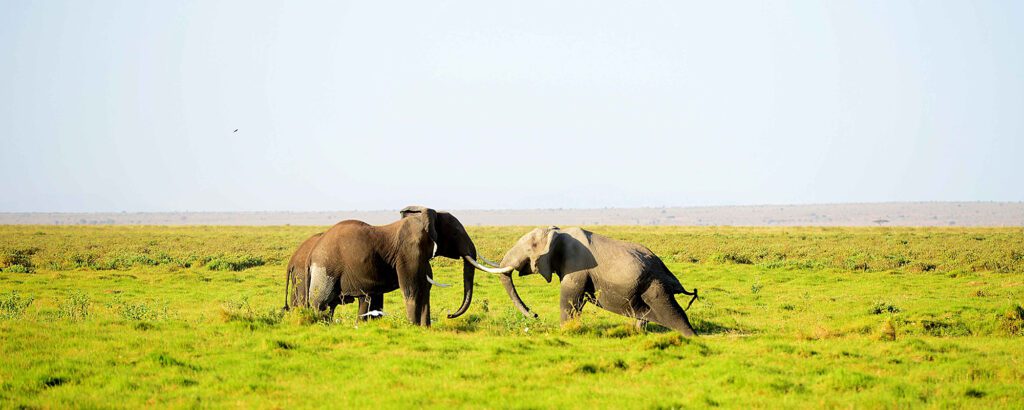
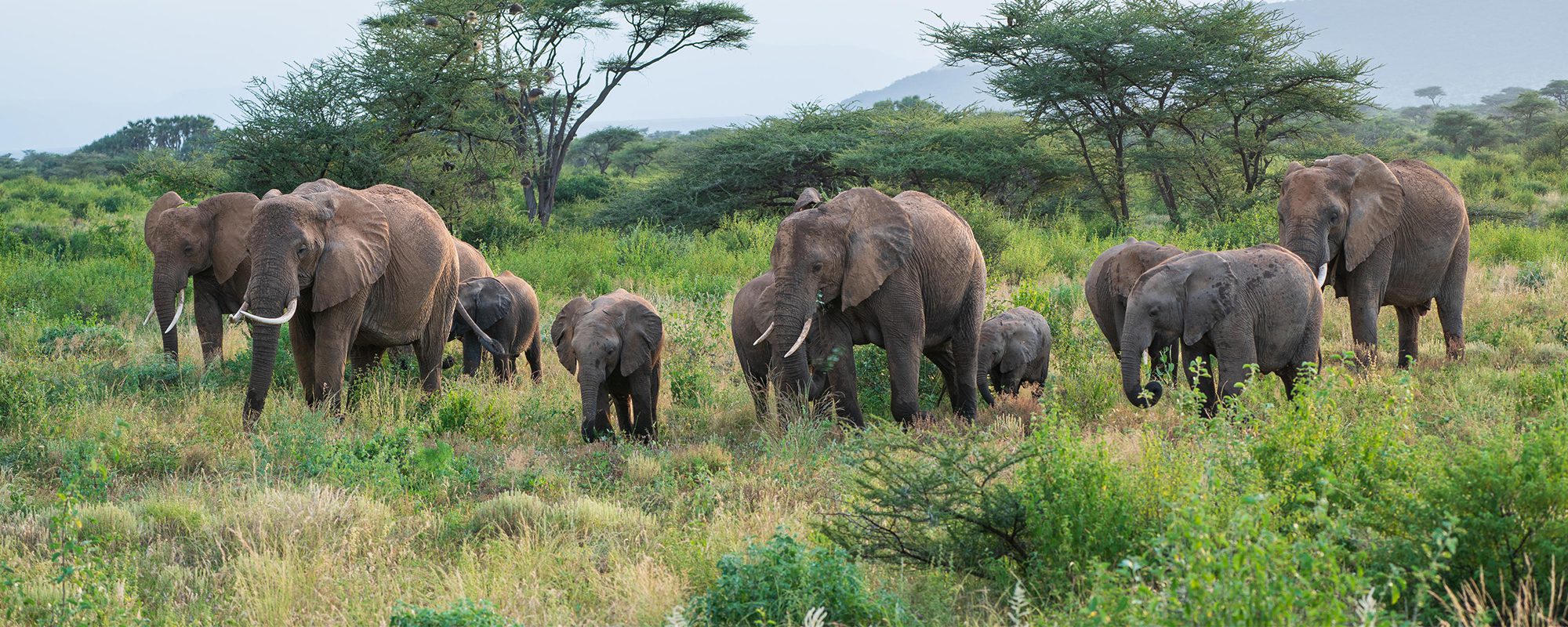
– elephant family structure
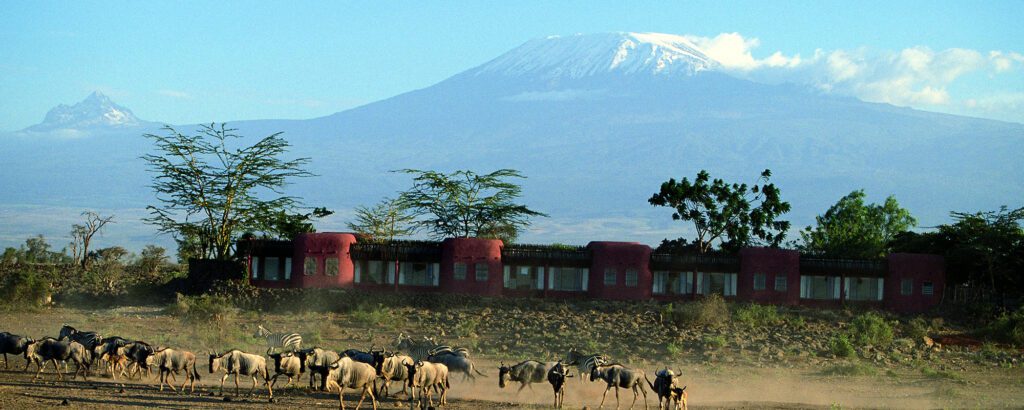
– mountain and atmosphere contrast
– strong visual reset after plains intensity
Energy note:
Amboseli works best when not treated as a one-night transit trophy. Two nights minimum, three better for stable output.
Samburu (Kenya)
Function in route design:
– arid north contrast
– specialist species and different terrain language
– strong extension for repeat travelers and birders
Energy note:
Heat and distance can drain output if midday recovery is ignored. Split-day rhythm is essential.
Serengeti (Tanzania)
Function in route design:
– broad ecosystem immersion
– migration context in seasonal windows
– strong long-form wildlife narrative potential
Energy note:
Serengeti is powerful but can become fatiguing if paired with excessive same-trip moves. Fewer sectors, longer stays, better outcomes.
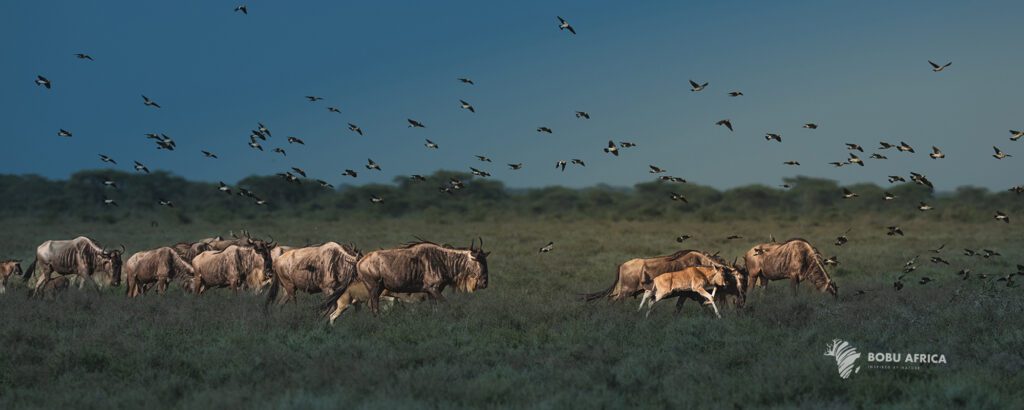
Ndutu (Tanzania)
Function in route design:
– seasonal concentration and action windows
– excellent for photographers and behavior-focused travelers
Energy note:
High-intensity days require deliberate recovery blocks. Without pacing, image quality and enjoyment both decline.
The practical baseline by trip length
Seven to eight safari days
Energy-smart structure:
– one primary ecosystem for three to four nights
– one contrast ecosystem for two to three nights
– minimal transfer complexity
This gives six to eight prime sessions with manageable fatigue.
Nine to eleven safari days
Energy-smart structure:
– one primary ecosystem for four nights
– one secondary ecosystem for three nights
– optional third short block only if transfer cost is low
This range allows depth plus contrast without overloading.
Twelve plus safari days
Energy-smart structure:
– two deep anchors plus one specialist extension
– at least one strategic reset day or lighter session day
Longer trips can still fail if every day is treated as maximum output day.

The transfer equation you should run before booking
Before confirming any route, calculate this clearly:
– number of full transfer days
– number of dawn windows lost
– number of dusk windows lost
– number of one-night stays
If a seven to nine day itinerary has more than two transfer-heavy days, quality risk is high. If most prime windows survive, route quality is usually strong.
In real safari planning, one transfer day often costs two prime wildlife windows. This sentence alone can save a route from underperformance.
Energy design for different traveler profiles
First-time safari travelers
Common risk:
– trying to see everything once
Energy solution:
– fewer ecosystems
– stronger guide continuity
– simpler move pattern

Result:
More confidence, better retention of what was seen, less end-of-trip fatigue.
Wildlife photographers
Common risk:
– high-output first days, decline by day five
Energy solution:
– repeated sessions in one anchor area
– strict midday reset for file management and recovery
– less cross-park rushing
For photographers, route success is less about headline spectacle and more about full-trip consistency.
Birders
Common risk:
– overlong drives replacing dawn detection windows
Energy solution:
– habitat-led routing
– three-night baseline per core habitat block
– protect early listening and scanning sessions
Premium travelers
Common risk:
– visible luxury with invisible friction
Energy solution:
– invest in operational smoothness
– prioritize location and timing control over extra park count
– use strategic flights where they preserve field windows
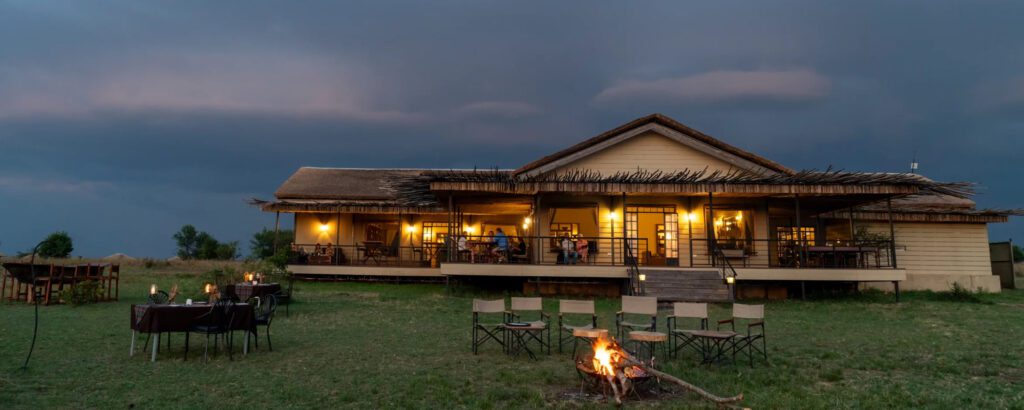
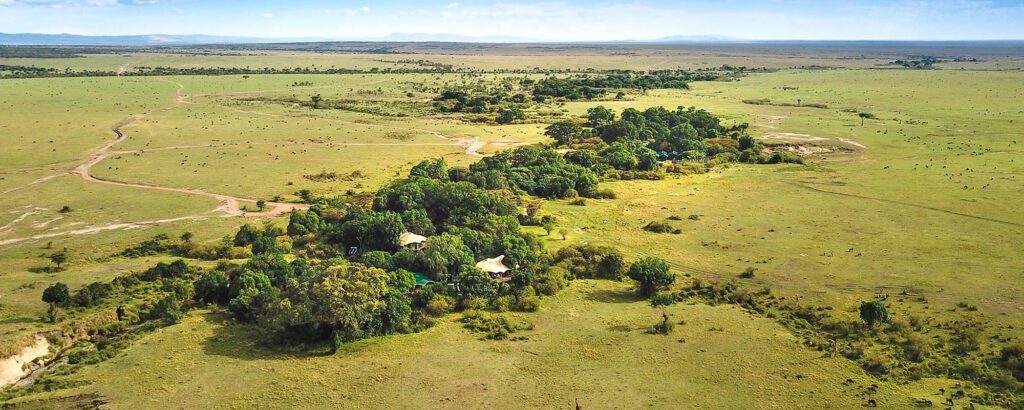
Photo: Mara River camp
The role of camp choice in energy preservation
Camp quality is not only design and service. It is also functional efficiency.
Functional camp criteria:
– realistic drive time to productive zones
– reliable early departure support
– quiet logistics for smooth transitions
– space for midday recovery
A beautiful camp far from key sectors can reduce wildlife quality more than travelers expect.
Daily rhythm that protects performance
A practical high-performance day in East Africa often looks like this:
– early drive during first light activity
– return for meal and rest window
– afternoon session with focused objective
– early night when next morning matters
This is not rigid. It is adaptive structure. If weather or movement changes, the guide adjusts objective, but the energy framework remains intact.
Common route mistakes and fast corrections
Mistake one
Three major ecosystems in seven days.
Correction:
Reduce to two ecosystems and recover at least two prime sessions.
Mistake two
Repeated one-night stays.
Correction:
Upgrade to three-night anchor where possible.
Mistake three
Late arrivals followed by full-output mornings.
Correction:
Use adaptation buffer on arrival day.
Mistake four
Choosing camp by room style only.
Correction:
Prioritize field access and departure flexibility.
Mistake five
No guide brief on group pace.
Correction:
Set pace profile and priorities before day one.
A practical comparison example
Route A:
– 8 days
– 3 ecosystems
– 3 heavy transfer segments
– 2 one-night stops
Route B:
– 8 days
– 2 ecosystems
– 1 major transfer
– 3 to 4 nights per anchor
Route A usually wins on map variety.
Route B usually wins on wildlife quality, fatigue control, and memory depth.
If your goal is performance in the field, Route B is typically the better design.
How to brief your planner using energy language
Ask these questions directly:
– How many prime sessions are protected in each ecosystem
– Which days lose dawn or dusk to transfers
– Where are recovery windows built in
– Why this camp location supports our session goals
– Which ecosystem is our primary anchor and why
When planners answer clearly with session logic, route quality usually improves.
The luxury misunderstanding and energy truth
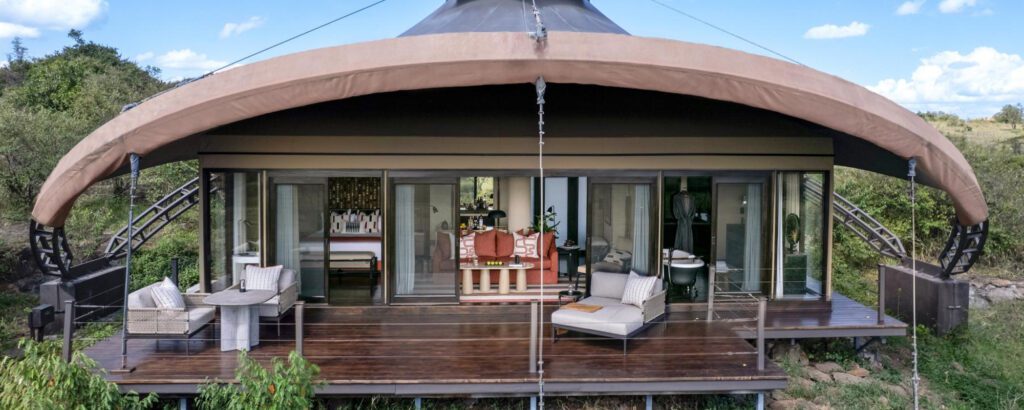
Many premium travelers still assume luxury equals amenities first. In safari context, amenities matter, but route friction matters more.
A trip can have excellent linens, food, and design yet still feel tiring. Another trip with slightly simpler room category can feel deeply premium because timing is smooth, movement is efficient, and each day lands correctly.
In field terms, luxury is calm control under changing conditions.
Geographic clarity with functional purpose
Use place names as functional choices:
– Maasai Mara (Kenya) for repeated predator and plains sessions
– Amboseli (Kenya) for elephant landscape contrast and atmosphere
– Samburu (Kenya) for arid north specialist value
– Serengeti (Tanzania) for broad ecosystem immersion
– Ndutu (Tanzania) for seasonal concentration and photography intensity
Do not add a place unless it adds clear function to energy curve and field output.
Final answer
The best East Africa safari routes are built around energy because wildlife quality depends on repeated high-performance field sessions, not maximum map coverage. Geography still matters, but geography without energy discipline creates expensive fatigue.
At Bobu Africa, we usually design routes by protecting session quality first, then layering ecosystem contrast where transfer cost is justified. This approach consistently produces better wildlife days for travelers, photographers, birders, and premium groups.
If you want a route that feels strong from first dawn to final drive, build for human performance. The map will still be there. Your best field hours are the scarce resource.
FAQ
Q: How many nights should I spend in one ecosystem to keep safari energy strong
A: Three nights is the practical baseline in most East Africa routes because it usually gives six prime field sessions. Four nights in a primary ecosystem often performs even better for photographers and premium travelers.
Q: Should I visit more parks if I have limited time
A: Usually no. With limited days, adding parks often increases transfer loss and reduces dawn and dusk quality. Two well-paced ecosystems generally deliver stronger wildlife outcomes than three rushed stops.
Plan Your Journey
If you are planning an East Africa safari and want stronger wildlife days with less hidden fatigue, Bobu Africa can help you design an energy-smart route that balances ecosystem contrast, transfer efficiency, and sustained field performance.